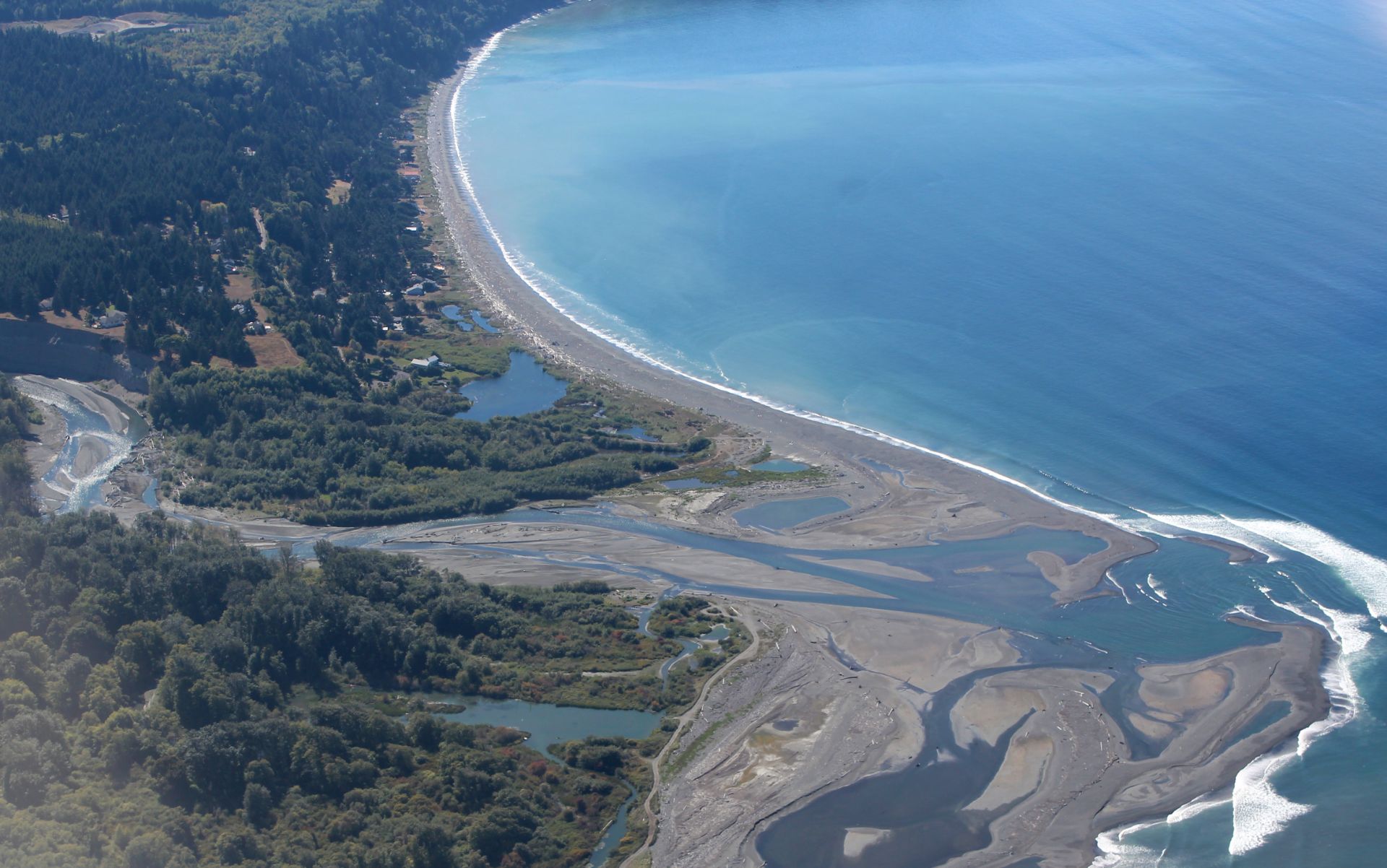
The Elwha proved that large dam removal could be planned, monitored, and survived. Its deeper legacy is that the measure of success cannot stop at concrete removed or fish counted. It also has to include who carried the original cost and who holds power in the recovery.
A proof of concept
The Elwha changed what seemed possible
Before the Elwha, removing an operating high dam for ecosystem restoration sounded extreme to many regulators and lawmakers. Afterward, managers had a real example of staged removal, large sediment release, rapid recolonization, and long-term adaptive monitoring. USGS researchers explicitly use the project to improve predictions for future dam decommissioning. 9
The next scale arrived on the Klamath River, where four dams were removed in 2023 and 2024. The project reopened about four hundred miles of salmon habitat. Klamath planners drew practical lessons from the Elwha, including the need to revegetate reservoir beds quickly and coordinate sediment and water-quality monitoring. The Klamath is not a copy of the Elwha, but it is hard to imagine one without the example set by the other. 14
At the same time, the Elwha is not an argument that every dam should come down. Dams provide different mixes of power, irrigation, flood control, navigation, and water supply. The lesson is that keeping a dam is also an active decision with costs. Those costs need to include blocked habitat, treaty obligations, cultural loss, aging infrastructure, and the alternatives that become possible when a river is reconnected.
Returning to the question
How do you un-build a century?
You begin long before demolition. You decide what full restoration means, document the systems tied to the structure, protect people who depend on the water, and make room for the river's response to change the schedule. You also recognize that technical work cannot settle a historical question by itself. The people who fought for restoration need authority in what comes next.
What the river has revealed since 2014 is both hopeful and humbling. Salmon found old habitat. Summer steelhead behavior reappeared. Sediment rebuilt a coast. A tribal ceremonial fishery returned. Yet Chinook recovery remains incomplete, vehicle access is still disrupted, and managers expect the work to take decades. Success is visible, but it is not finished. 11 12
What I find most important is that the Elwha changed from a story about conquering a river into one about listening to it. The dams once represented confidence that nature and Native rights could be pushed aside for growth. Their removal does not erase that history. It shows that infrastructure choices can be reversed when law, science, and long-term advocacy finally line up.
Four lessons
Know the whole system
Map sediment, water users, fish timing, roads, cultural places, and downstream risks before construction begins.
Treat tribes as sovereign partners
The communities with treaty rights and generations of knowledge cannot be late-stage stakeholders.
Let evidence change the plan
The Elwha's staged holds showed that uncertainty can be managed without pretending it does not exist.
Fund the long recovery
Demolition ends before ecological recovery does. Monitoring, hatchery transition, habitat work, and access questions continue for decades.
The free-flowing Elwha is not the river it would have been without the dams, and it is not done recovering. It is something more useful than a perfect ending: evidence that repair is possible, that rivers remember their paths, and that historical decisions do not have to be permanent.