HIST& 214 · Pacific Northwest History
Un-building a century of infrastructure
Two dams powered Port Angeles, blocked salmon, and flooded places central to the Lower Elwha Klallam Tribe. Then a river was given the chance to run again.
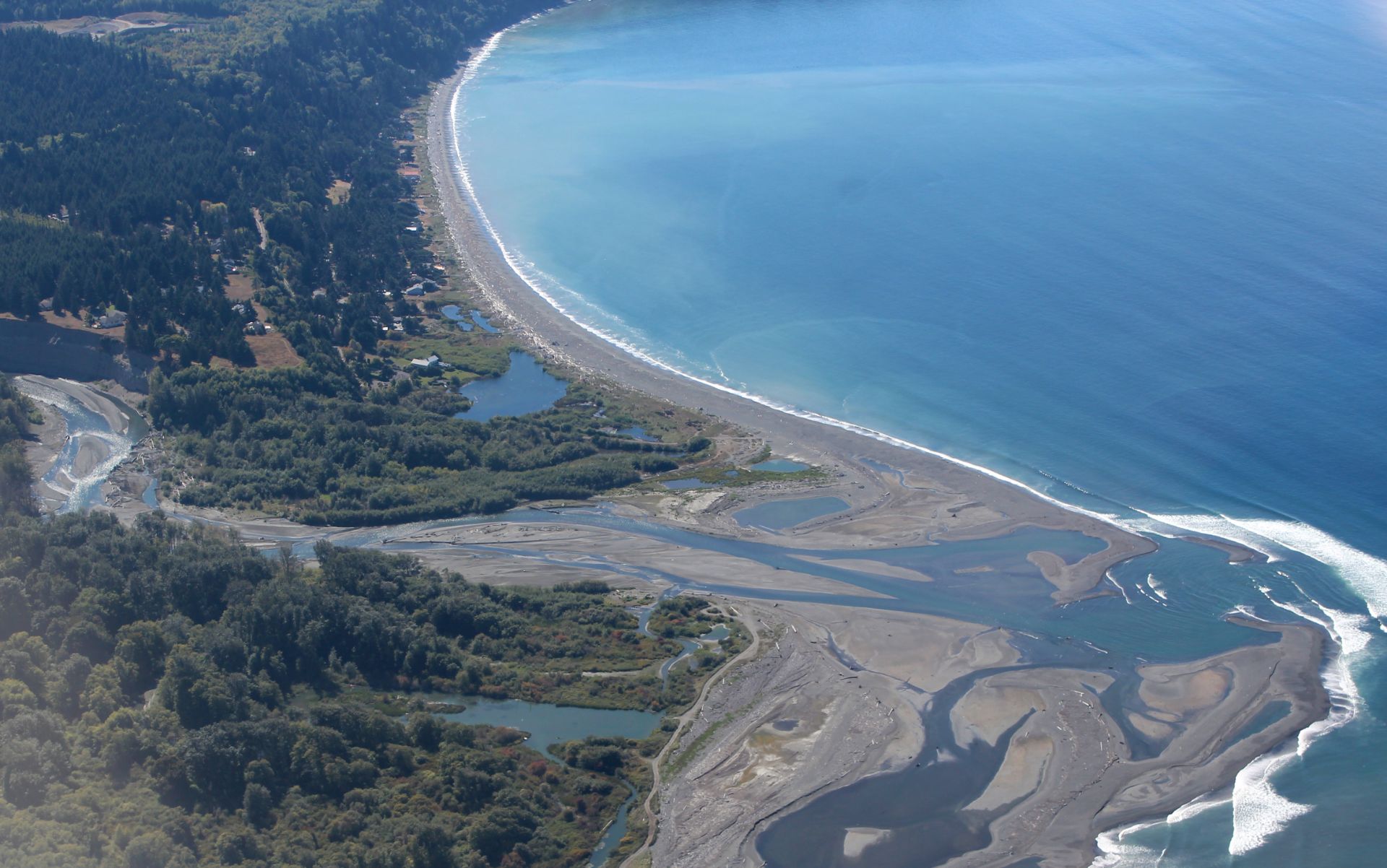
Elwha River mouth, 2016 · Jeff Duda, USGS · Public domain
How do you safely un-build a century of infrastructure, and what has the Elwha River's recovery revealed since?
For most of a century, two dams sat across the Elwha River on Washington's Olympic Peninsula. Between 2011 and 2014 they came down in what was then the largest dam removal in United States history. That reversal is the whole reason this story is worth telling. We spend a lot of time thinking about how things get built, and almost none thinking about how you take a piece of century-old infrastructure apart without wrecking everything downstream of it.
The pages that follow move through the story in order: why the dams went up and who paid for it, how the Lower Elwha Klallam Tribe spent decades forcing removal onto the table, the engineering of taking the dams down, and what the river and the people around it look like now.
Two histories, one river
Industrial development explains why the dams were built. Treaty rights and tribal persistence explain why they finally came down.
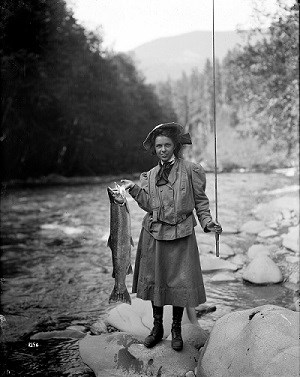
Historic salmon photograph · Olympic National Park · Public domain
Six chapters · one river
Follow the Elwha from obstruction to recovery.
Building the Dams
How hydropower transformed Port Angeles while salmon, treaty rights, and Lower Elwha Klallam homelands absorbed the cost.
Read chapter 02The Campaign
How treaty rights, tribal leadership, federal relicensing, and coalition building turned a radical proposal into law.
Read chapter 03Engineering Removal
The staged demolition, sediment monitoring, and water infrastructure that allowed two enormous barriers to come down.
Read chapter 04Recovery
A returning river rebuilt habitat, revived fish movement, and reopened cultural practices, while reminding us that restoration is unfinished work.
Read chapter 05Legacy
Why the Elwha became a model for larger removals, and what its history asks us to remember about infrastructure and justice.
Read chapter 06Sources & Credits
Academic research, public records, tribal sources, current recovery evidence, and image credits.
View bibliographyA living conclusion
“Recovery” is not the river going backward. It is the river and the people around it building a different future from the history they inherited.Start with Chapter 01